
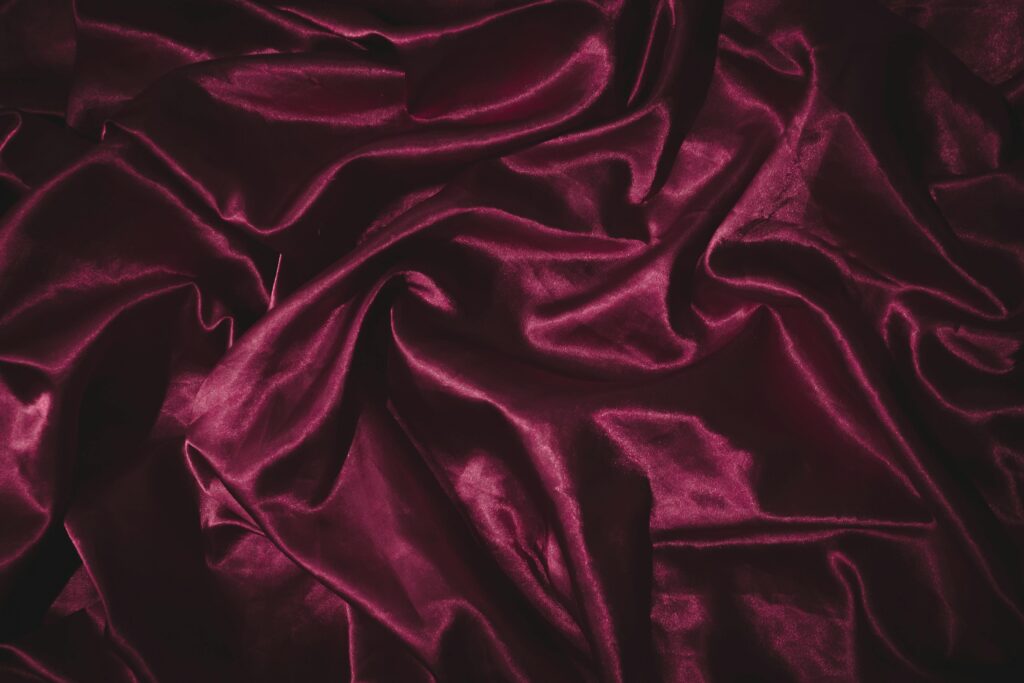
Improved Dyeing and Finishing Processes
Modern dyeing technologies allow velvet manufacturers to achieve vibrant, long-lasting colors with greater consistency. Automated finishing processes enhance fabric softness, durability, and appearance. As a result, velvet fabrics used in fashion garments, upholstery, curtains, and home décor maintain their premium look for longer periods.
Quality Control Through Automation
Automation has transformed quality assurance in the textile industry. Digital inspection systems can identify defects quickly and accurately, ensuring that only high-quality velvet fabrics reach customers.
Sustainable Innovation in Velvet Fabric Manufacturing
Sustainability has become a major focus for modern textile producers. Many velvet fabric manufacturers now use eco-friendly dyes, recycled fibers, and energy-efficient machinery. These innovations reduce environmental impact while supporting sustainable textile production practices.
Customization and Product Development
Innovation enables manufacturers to offer customized velvet fabrics in various colors, patterns, textures, and finishes. This flexibility allows designers, wholesalers, and retailers to meet specific market trends and customer preferences with ease.
Conclusion
Innovation continues to drive the growth of velvet fabric manufacturing by improving quality, efficiency, and sustainability. Through advanced machinery, automated quality control, eco-friendly production methods, and customized fabric solutions, modern velvet manufacturers are setting new standards in the textile industry. As technology evolves, velvet will remain a timeless and luxurious fabric choice for fashion, upholstery, and interior design applications.